North Delta Vehicle Recycling
Scrap Car Removal
in North Delta
Your car won't go. We'll come get it.
Done fixing it? Call Jay.
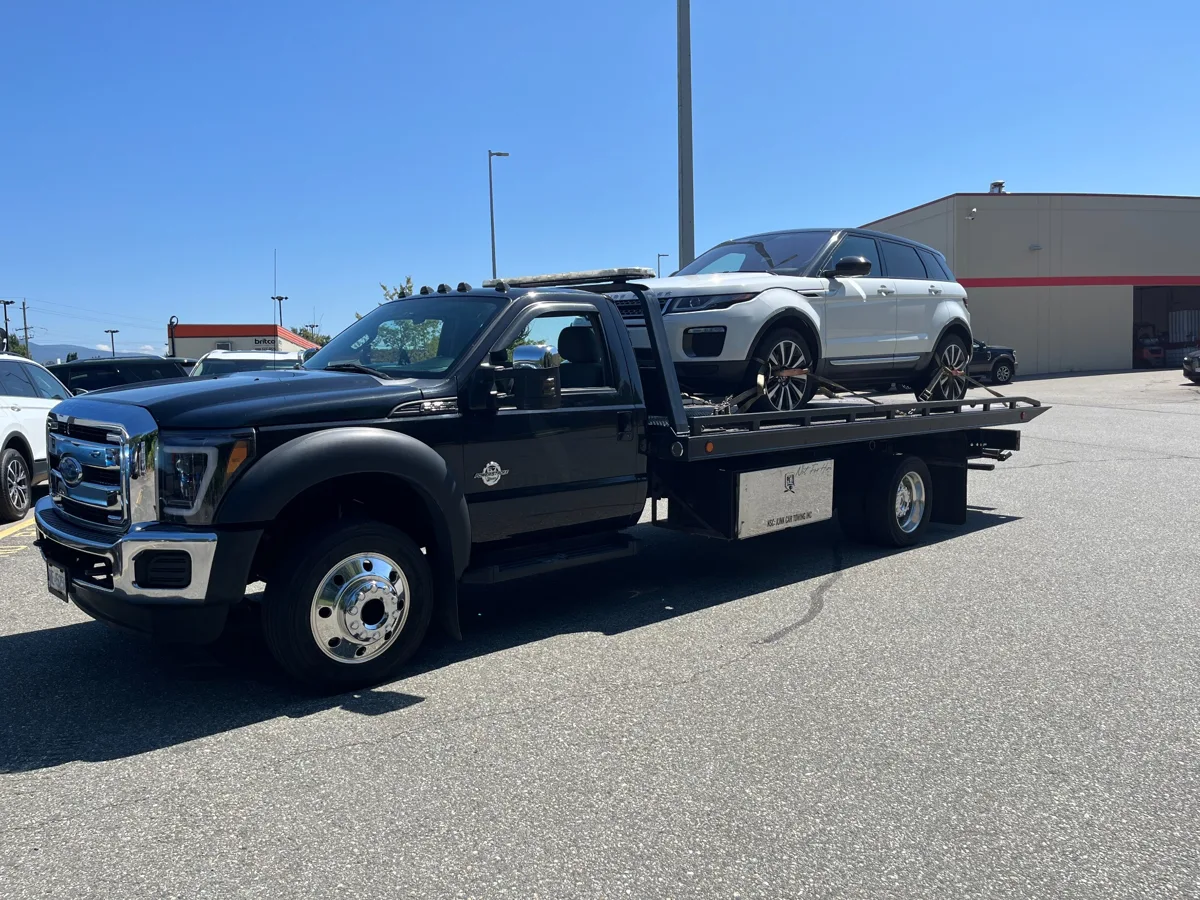
We buy unwanted cars, minivans, SUVs and trucks, running or not. Get an individual cash offer with free standard towing on complete vehicles we purchase. Call or text the year, make, model, what is wrong and the location.
Mon-Sat 8:30 am-7:00 pm; Sunday closed.
Canadian-owned
Licensed and insured
Firm agreed offers
A clear next step
From parked to picked up.
- 01
Call Jay
Tell us the car, the problem and the location. No repair or diagnosis needed before you call.
- 02
Agree the offer
Confirm the cash amount, towing and a pickup window. Your agreed offer is firm, with no extra arrival charges.
- 03
Meet the team
Have the agreed paperwork ready. The team handles collection and helps with the plates.
At home in North Delta
Your driveway.
Our starting point.
Annieville, Scottsdale and Sunshine Hills. We collect from homes and shared parking, planning around the space you actually have. If other household vehicles use the same driveway, let Jay know so the access and timing can be agreed.
Read about a Ford Escape pickup in Sunshine Hills.
Areas We ServeOur services
Service pages
Straight answers
Before you let it go.
Practical answers about selling your vehicle and arranging collection.
Where can I sell my broken car if I can't afford the repairs?
Call Jay at North Delta Vehicle Recycling. We buy unwanted cars, minivans, SUVs and trucks with all kinds of problems, whether they still run or have stopped completely. You do not need to fix the vehicle before asking about selling it. A repair estimate can help you decide what makes sense for your household, but it is not an instruction to spend more money. If you have reached the point where you would rather let the vehicle go, a private cash purchase with collection from home is an option.
Engine trouble, a failed timing belt or chain, overheating and a transmission problem are examples of reasons people consider selling. Those descriptions are a starting point, not a diagnosis. A timing belt failure does not damage every engine in the same way, and you do not have to establish exactly which component failed before calling. Tell Jay what you know: what the car is, what happened and where it is parked. If a mechanic has explained the fault, you can pass that information along in your own words.
The decision is not only about whether a repair is technically possible. You may have already replaced the car, no longer need a second vehicle or prefer not to keep arranging repairs. A vehicle that suited you for years may simply no longer fit your plans. There is no need to justify that choice or describe your finances. Jay considers the individual vehicle and makes a cash offer, so you can compare selling it with the options you already have without committing just by making an enquiry.
Home collection also means you do not have to arrange a separate trip to get a non-running car to a buyer. Leave it where it is safely parked and explain anything that affects reaching it. If it is in a shared driveway, mention that at the outset. Once the vehicle and collection arrangements are understood, you can decide whether the offer works for you. The aim is to make selling a broken vehicle a practical next step, not another repair project you have to complete first.
Who will buy my old car and include the towing?
North Delta Vehicle Recycling coordinates the purchase and collection together. You speak with Jay about the vehicle and where it sits, rather than finding one buyer and then arranging a separate tow. Standard towing is free on complete vehicles we purchase. A complete vehicle still has its major components, including its engine, transmission, wheels and body panels. It does not have to run to be complete. An old car with a mechanical failure can therefore be considered for a purchase that includes standard towing from the agreed location.
The important distinction is between an ordinary collection and a recovery that needs additional planning. A vehicle missing major parts, sitting without wheels or positioned somewhere with difficult access needs to be assessed before the quote and booking. Explain what has been removed and anything that may stop it rolling or steering. Photos can help Jay understand the situation without asking you to test an unsafe vehicle. These details belong in the initial conversation so the collection terms are established before you decide to go ahead.
Ask Jay to confirm the cash amount and what the collection includes. Any special recovery requirements are addressed upfront, not left for the driver to introduce on arrival. Once the offer and collection terms have been agreed, the offer is firm and there are no extra arrival charges. You should not be left trying to compare a cash figure with an unexplained towing bill. The agreed arrangement gives you a clear basis for deciding whether to sell, with purchase and collection considered as one coordinated service.
This is particularly useful when the car is at home and you want the entire arrangement settled in one conversation. You can discuss how the truck will reach it, then choose an available pickup window. You are not required to arrange another company to transport the vehicle before it can be purchased. If the car is at a different location, identify that location when asking for the offer. Knowing the actual pickup setting allows Jay to confirm the terms for that collection rather than leave you guessing about what towing means in your case.
Is my car worth more than scrap if it still has good parts?
It can have value beyond its metal alone, but the offer is an individual assessment of the whole vehicle. Jay considers what the car is, its condition, its completeness and the potential for reusable parts alongside its weight and the metal market. A non-running vehicle may still contain useful components. Equally, a component that was working before the car stopped is not automatically something that can be reused or sold. The vehicle is considered as it stands, rather than valued by adding together optimistic prices for every part.
Recent tires, a replacement battery or a repaired component are worth mentioning if you know about them. They do not automatically produce a higher payout, and repair invoices are not recovered dollar for dollar when a whole vehicle is sold. Money spent keeping a car usable served a different purpose from its current resale value. A new part in an otherwise worn or damaged vehicle does not make the rest of the vehicle new. Jay takes relevant information into account without promising a set increase for a particular repair or purchase.
Condition matters in practical ways. Collision damage can affect parts that would otherwise be reusable, and missing components change how complete the vehicle is. Different models and different vehicles of the same model can therefore receive different offers. Metal markets can also change quickly, so a figure discussed for another car or at another time is not a reliable guide. We do not publish fixed market rates, broad price ranges or headline maximums that imply your car will qualify for a particular amount before it has been considered.
Start with the car, the problem and the location. You do not need to inventory every component or produce a folder of repair receipts to ask for an offer. If there is something important about the vehicle, mention it and Jay can ask a focused follow-up question. There is also a difference between a new quote responding to current market conditions and an offer already agreed for your pickup. Changing markets may influence new quotes, but they do not turn your firm agreed offer into a moving target. You can make your decision based on the amount confirmed for your vehicle.
Can I sell my damaged car if I've decided against repairing it?
Yes. Jay considers damaged cars, minivans, SUVs and trucks when the owner has decided not to repair them. The damage does not have to fit a short list of approved faults. A vehicle can have body damage, mechanical problems or several issues at once, and you can still ask about selling it as a whole vehicle. You do not need to undertake repairs simply to make it presentable for the enquiry. Describe its current condition honestly so the offer reflects the vehicle you are actually looking to sell.
Deciding against repairs can be a considered choice rather than a judgment that the car has no use at all. You may be weighing the repair estimate against how long you planned to keep it, whether you already have another vehicle or whether you want to manage more appointments. We are not asking you to make a technical prediction about every damaged component. Jay's role in this conversation is to consider a purchase and collection, not to persuade you to repair it or provide a remote mechanical diagnosis.
Known collision damage matters for safe collection planning. Tell Jay if a wheel is out of position, the steering is affected, a body panel is loose or the vehicle cannot roll as it did before. A photo can show the damaged area and where the vehicle is parked. Do not try to drive it or move damaged pieces just to demonstrate its condition. The team needs enough information to plan suitable equipment and access. The discussion is about collecting the whole vehicle safely, not asking you to dismantle it before the truck arrives.
Any unusual insurance or ownership situation needs to be settled with the relevant party before a sale goes ahead. We cannot promise how an active claim will be handled or give advice about your insurance obligations. If another party has an interest in the vehicle or you are unsure who can authorize the sale, resolve that first. Once you are in a position to sell, Jay can consider the vehicle and arrange collection. We do not claim every damaged vehicle will be repaired, or that every vehicle is crushed in full; its condition affects what can happen after collection.
Can I get cash for my unwanted car instead of donating it?
Yes. North Delta Vehicle Recycling offers a private purchase with cash for unwanted vehicles we agree to buy. That is different from giving a vehicle to a charity and receiving any receipt associated with its donation program. Jay considers the individual car and confirms a cash amount before pickup. If you would rather sell than donate, you can ask for an offer and decide whether it suits you. You do not have to choose a donation route simply because the vehicle is older or no longer useful to your household.
Running vehicles can also be considered. Unwanted does not always mean broken: a household may have replaced a minivan, stopped using a second car or decided a truck no longer fits its needs. Tell Jay what the vehicle is and its condition, including whether it runs. The purchase discussion is based on that vehicle, not an assumption that every enquiry involves something beyond repair. You can consider selling the whole vehicle without first deciding that all of its value must come from scrap metal alone.
Selling and donating serve different personal priorities, and there is no need to disparage one to explain the other. You may prefer a cash payment, or supporting a charity may be more important to you. We do not give tax advice, compare donation program amounts or claim that a purchase will always leave every owner better off. If you need to understand a charity's terms or the treatment of a receipt, ask the charity or an appropriate adviser. Jay can explain the private purchase offer so you understand that option on its own terms.
Making an enquiry is not an obligation to sell. You can hear the offer, consider the collection arrangement and choose without pressure. We do not guarantee the highest offer or use an advertised maximum to suggest what your particular car will bring. The cash amount is agreed before pickup, so the decision rests on a confirmed amount rather than a vague promise of payment later. If you choose the purchase, collection is arranged with it. If you choose another option, that remains your decision. The useful starting point is simply knowing that a direct cash sale is available to consider.
Can you remove a car that hasn't moved from my driveway in years?
Yes, long-parked vehicles are something our trained, experienced team can assess for recovery. A car that has sat for years should not be treated as if it can simply be driven away. Tires may be flat, brakes may be stuck and the steering may be limited or locked. Tell Jay how long it has been standing and what you already know about its condition. You do not need to start it, prove it drives or push it out to the street before we can discuss removing it.
The position of the car is as important as its mechanical condition. A vehicle beside a house, under a carport or behind another parked car needs a different access plan from one at the open end of a driveway. Photos showing both the vehicle and the route from the street can help the team assess safe loading with appropriate towing and winch equipment. Mention a slope, a tight entrance or anything close to the vehicle that limits working room. You are describing the setting, not being asked to carry out the recovery yourself.
Shared driveways need coordination rather than assumptions. Other family members, neighbours or occupants of a basement suite may use the same space, where applicable. Arrange a pickup window when the vehicles blocking access can be moved by the people responsible for them. Explain if a gate or a shared parking entrance is controlled by someone else. The important thing is to make the space available in an agreed way, not unexpectedly block another household's access. Jay can take those practical limits into account while the collection is being arranged.
Some recoveries need more equipment or time than others, so we do not promise every long-parked car will be easy to remove or that damage is impossible in every setting. The team assesses the vehicle and surroundings before the collection terms are agreed. Leave an unsafe vehicle alone, especially if trying to start or move it could create a problem. A clear description and a useful photo are better than a risky attempt to make it roll. Planning the recovery ahead lets you deal with a vehicle that has occupied the driveway for years without turning it into a do-it-yourself towing job.
What should I have ready before my scrap car is picked up?
Start with your belongings. Check the glovebox, sun visors, cup holders, door pockets, under the seats and the trunk or cargo area. Small items are easy to overlook in a car you have stopped using, especially paperwork, parking passes, chargers and spare keys for something else. Take out anything you want to keep rather than assuming the main cabin is the only place to look. If family members have used the vehicle, give them a chance to check it too. A careful final look is more useful than rushing through it as the truck arrives.
Have the registration and your identification ready, along with the vehicle keys if they are available. Tell Jay ahead of time if keys or documents are missing so that the arrangement can be discussed before pickup. Missing paperwork is not a promise that no paperwork will be needed. For unusual ownership situations or uncertainty about registration, contact Jay and an Autoplan broker to establish what is required. Keep relevant records of the sale and any documents you need for your own follow-up rather than handing over every insurance document you have.
The team helps with the plates and brings plate tools, an air compressor and a booster. You are not required to remove the plates yourself before collection, and having that equipment available does not mean you need to try starting an unsafe car. Jay takes only the necessary vehicle paperwork. Questions about your insurance, plate handling after the sale or any further registration steps should be checked with Autoplan where appropriate. We do not suggest that collection automatically transfers ownership records or cancels an insurance policy on your behalf.
Owner presence is preferred so the vehicle, paperwork and handover can be confirmed together. If you cannot be there, an alternative must be arranged and authorized beforehand; do not assume leaving the keys somewhere is enough. Let Jay know early so there is time to discuss who can attend and what is needed in your situation. Your preparation should make the handover clear, not create extra mechanical work for you. Once your belongings and the agreed documents are ready, leave the recovery and loading arrangements to the team.
How soon can my scrap car be collected in North Delta?
Collection can be available in as little as a few hours, depending on availability. That is a possibility, not a guaranteed response time for every enquiry. Jay will discuss the available pickup windows and agree a time with you rather than promise an hour that cannot be kept. If you have a preferred day or a limited period when you can meet the truck, mention it at the start. Knowing your availability helps make the booking practical instead of simply choosing the earliest slot regardless of whether it works for your household.
The wait for a truck and the time spent loading are two different things. For a straightforward pickup, the onsite loading typically takes around 15 to 20 minutes. Vehicle condition and access can change that duration, especially when a car does not roll freely or the working space is restricted. That estimate is not a promise that the team will arrive 15 minutes after you call, and it is not a limit on the time a difficult recovery may need. Jay can discuss the setting when agreeing the collection window.
A shared driveway can affect which time is best even when a truck is available sooner. If another household's car blocks the vehicle, arrange the window around when that person can move it. The same applies to a shared parking entrance or an access gate that is only available at certain times. You do not need to give a long account of everyone's routine. Explain the actual time restriction so the booking matches a period when the truck can reach the car without interrupting somebody else's essential access.
Be clear about the pickup location, including where the car sits on the property and how the team should find the correct entrance or parking space. If the access arrangements change after booking, let Jay know so the collection can still be coordinated. Service hours are Monday to Saturday, 8:30 am to 7:00 pm, with Sunday closed; this is not a 24-hour or Sunday service. An agreed window gives you something useful to plan around, whether the pickup is available within a few hours or a later time is the better fit.